Birds
Choosing a Healthy Pet Bird: What to Look For
Heads up: some links below are affiliate links. If you buy through them it costs you nothing extra and helps keep these guides free. We only link to things we would suggest to a friend. Read ourfull disclosure.
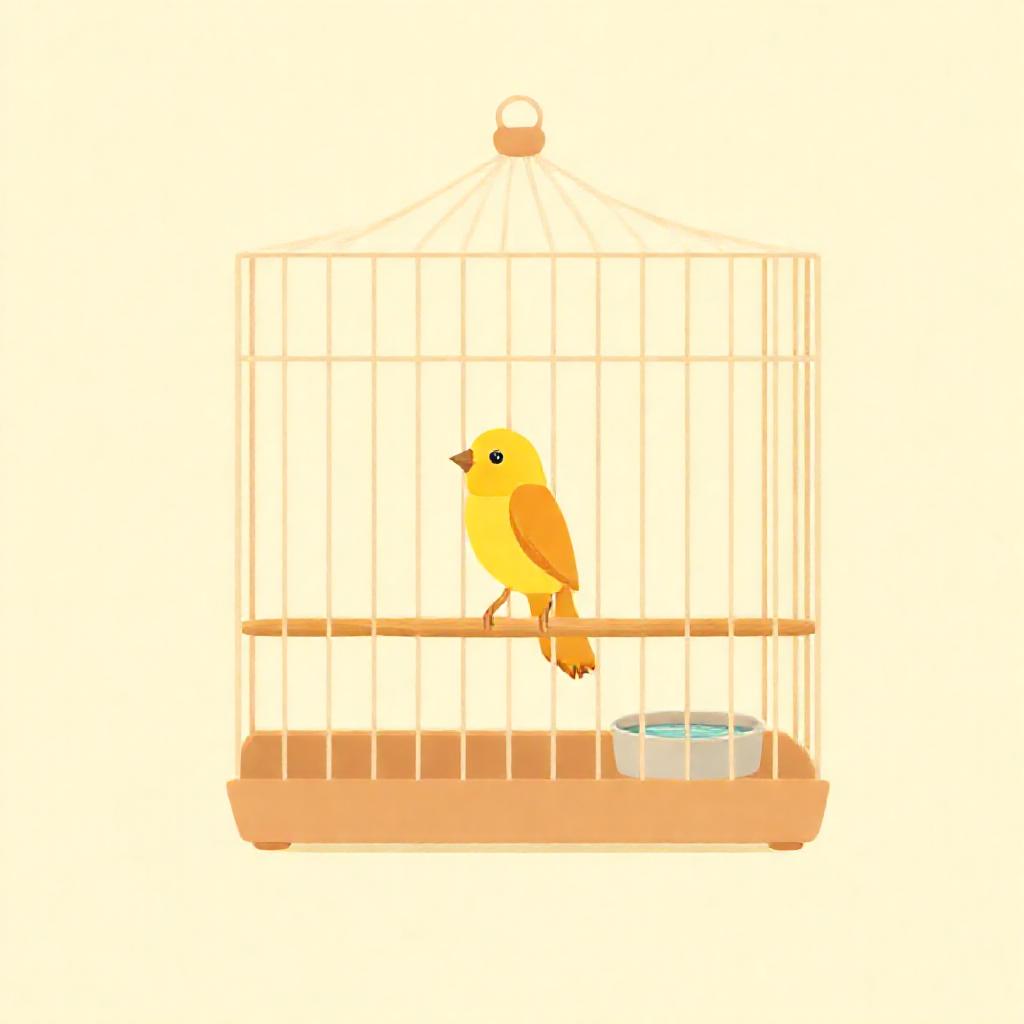
Health starts before you bring them home
Choosing a healthy pet bird begins long before you pick one out. Birds are very popular pets - the RSPCA notes that over a million are kept in homes in the UK - but they’re also a big commitment, and some larger parrots can live for many decades. Different species have very different welfare needs, so doing your research first is an essential part of choosing well.
The most important thing to remember is that a bird that looks healthy isn’t necessarily healthy. Birds are a prey species, and their natural instinct is to hide any sign of weakness. The RSPCA and veterinary sources are consistent on this: birds can hide illness for a long time, and by the time a pet bird shows clear signs of being sick, it may have been unwell for days or even weeks. So a careful look at the bird - and its environment - matters far more than a quick impression.
What to check on the bird
The veterinarian-reviewed guidance from VCA Animal Hospitals lists many early signs to look for. Run through these as you assess a bird:
- Behaviour and energy. A healthy bird is alert, responsive and active. Look out for listlessness, depression, sleeping more than usual, or any change in the bird’s regular attitude and personality. “Unusually tame” behaviour can also be a sign of illness in a normally lively bird.
- Feathers and appearance. Feathers should look smooth, well-kept and in good condition, not ruffled, unkempt, dull or chewed. Fluffed-up feathers (a bird that “looks fatter”) are a classic sign of a sick bird. Also check the beak and nails for abnormal colour, growth or damage.
- Eyes. Healthy eyes are clear and bright. Closed eyes, discharge, redness, cloudiness or swelling around the eyes all warrant caution.
- Nostrils and breathing. Nostrils should be clear, with no discharge or blocked appearance. Listen for laboured or open-mouth breathing and watch for “tail bobbing” - the tail moving up and down with each breath - which can signal a breathing problem.
- Droppings. Healthy droppings have a fairly consistent appearance. Look out for watery, mushy or unusually coloured droppings, a change in how many there are, or staining of the feathers around the vent.
If you notice any of these - or any change from what’s normal for the bird - treat it as a sign to check with a specialist vet. In birds, “wait and see” is rarely the right approach.
Environment and origin
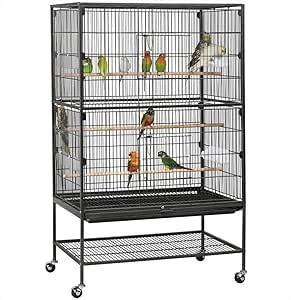
The bird’s environment tells you a lot about how well it’s been cared for. The RSPCA’s guidance is that birds need space to fly and live naturally. A bird kept out of draughts and away from radiators, with clean bedding and fresh food and water, suggests an owner who understands their needs - whereas a cramped cage is a warning sign.
Origin also matters. The RSPCA has raised real concern about birds being taken from the wild for the pet trade, so it’s worth asking where the bird came from and whether it was bred in captivity. A responsible seller should be able to tell you the bird’s history, diet and age clearly and honestly.
Before you commit, ask the seller or breeder:
- Where did the bird come from, and was it bred in captivity?
- What has the bird been fed, and what diet should it continue on?
- Has it seen a vet, and is there any history of illness?
- Is it used to being handled, and how has it been socialised?
A reputable seller welcomes these questions. Reluctance or vagueness is a red flag.
Book an avian vet check
Veterinary guidance recommends an initial check-up with an avian (bird) veterinarian within one to two weeks of bringing your new bird home, plus regular preventive care - at least an annual exam, with many vets recommending twice a year so problems are caught early. The first visit covers a physical examination and a discussion of diet, housing and care. Choose a vet qualified and experienced with birds - at a minimum, a member of the Association of Avian Veterinarians (AAV) - since most general dog and cat vets are not comfortable or experienced treating birds. It’s also worth confirming your bird is microchipped or ringed so it can be identified if it ever escapes.
The bottom line
A safe, healthy choice starts with research, a close look at the bird’s appearance, behaviour and surroundings, honest questions about its history, and a prompt avian vet check once it’s home. When in doubt, ask a bird specialist before you decide.
Sources
- VCA Animal Hospitals (veterinarian-reviewed) - “How Can I Tell if My Bird is Sick?” / Recognizing the Signs of Illness in Pet Birds: https://vcahospitals.com/know-your-pet/recognizing-the-signs-of-illness-in-pet-birds
- VCA Animal Hospitals (veterinarian-reviewed) - “Veterinary Care: New Bird Visit”: https://vcahospitals.com/know-your-pet/veterinary-care-new-bird-visit
- VCA Animal Hospitals (veterinarian-reviewed) - “Housing Small Birds”: https://vcahospitals.com/know-your-pet/housing-small-birds
- RSPCA - “How to Care for your Pet Bird”: https://www.rspca.org.uk/adviceandwelfare/pets/birds
- RSPCA - “Environment: giving your bird a good place to live”: https://www.rspca.org.uk/adviceandwelfare/pets/birds/environment
This article is for general information and is not a substitute for professional veterinary advice. If you have any concerns about a bird’s health, speak to an avian vet.