Reptiles
Corn Snake Care: A Beginner's Guide
Heads up: some links below are affiliate links. If you buy through them it costs you nothing extra and helps keep these guides free. We only link to things we would suggest to a friend. Read ourfull disclosure.
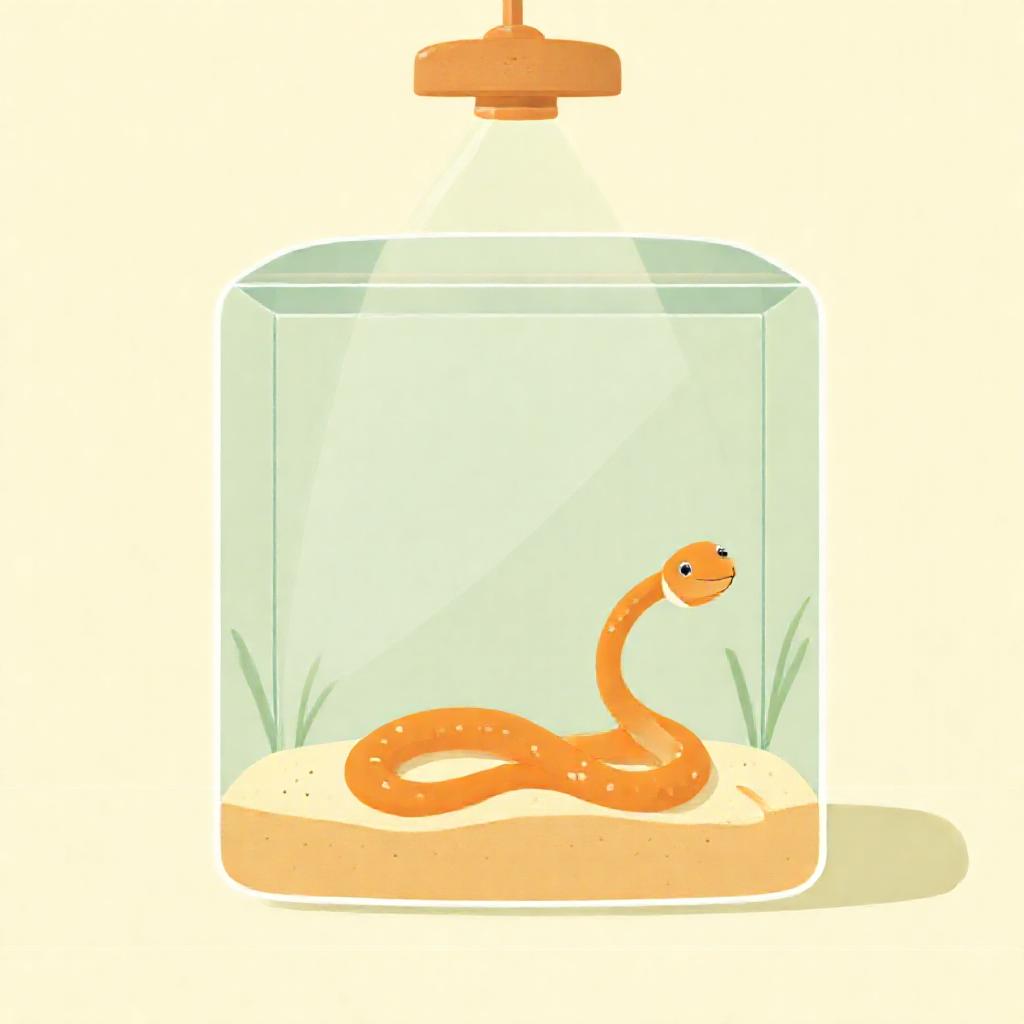
Set the vivarium up before the snake arrives
Corn snakes (Pantherophis guttatus) are one of the more forgiving reptiles for a first-time keeper, and they can live around 10 to 15 years - a long-term commitment. The RSPCA advises setting up a vivarium and running it for at least a week before introducing the snake, so you can adjust the heating and lighting while it isn’t there. The RSPCA’s exotic-pet guides also emphasise confirming an exotics-specialist vet is available before you get the animal.
Enclosure size and security
A vivarium must be secure, well ventilated, made from a solid material that’s easy to clean and holds heat, and free of anything that could cause injury. Corn snakes need an enclosure that lets them fully stretch out. The RSPCA recommends allowing at least a third of the snake’s length for the width and height - for example, a 150cm snake needs a vivarium roughly 150cm long, 50cm wide and 50cm deep.
A hatchling can become stressed in a large vivarium, so it’s often better to start it in a smaller enclosure and move up in size as it grows.
Heating: create a gradient, not a single temperature
Reptiles are ectotherms - they rely on their surroundings to warm up and cool down. Your job is to provide a thermogradient: a heat source at one end creating a basking zone, with the opposite end left cool, so the snake can move between them to regulate its own temperature.
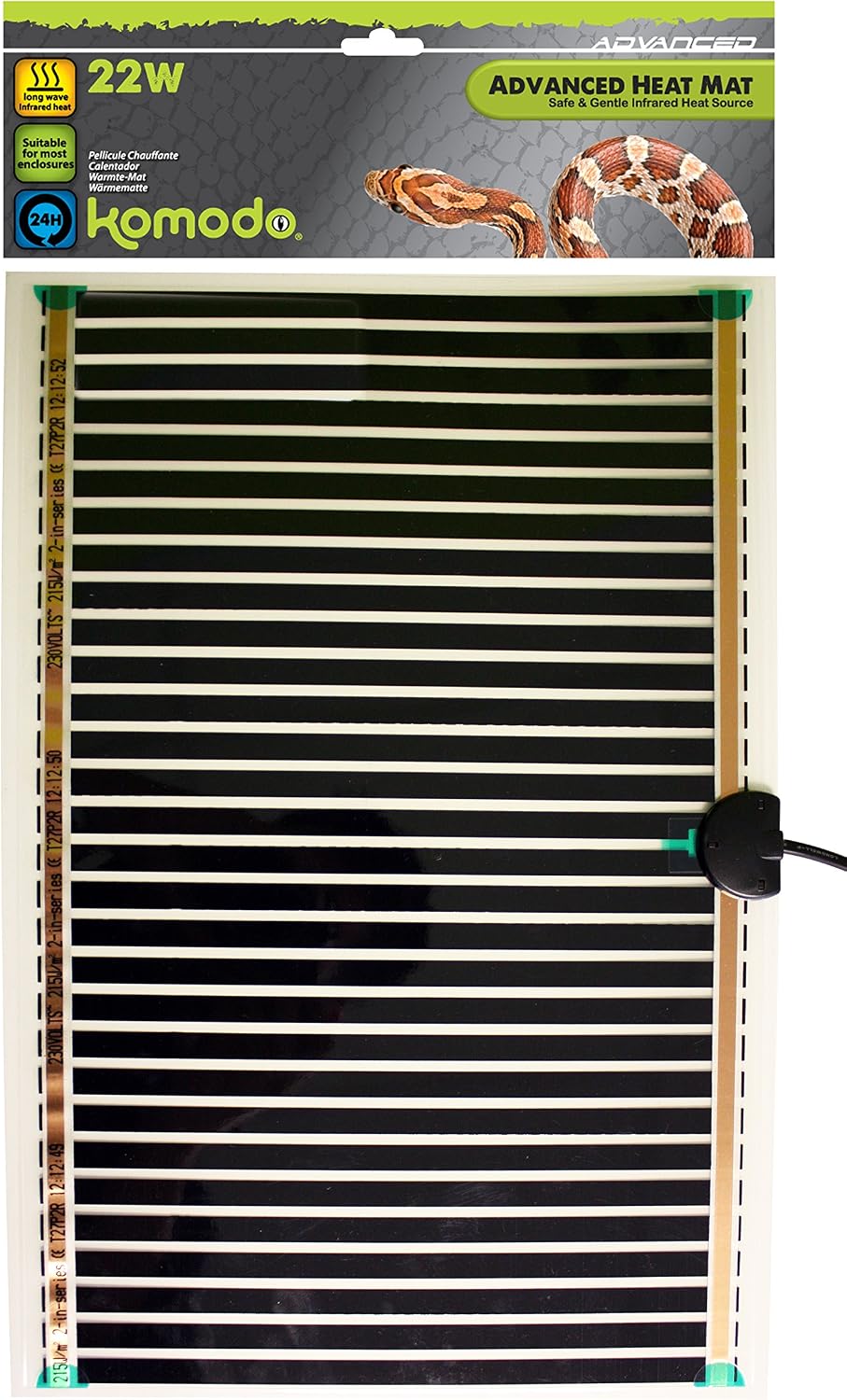
The RSPCA suggests a guarded heat lamp at one end of the enclosure, always controlled by a thermostat. Aim for a basking zone of 28-30°C, with the cool end at 20-24°C. At night the heat can be turned off and the temperature safely drops to 16-20°C; if the room gets colder than that, use a non-light-emitting source such as a ceramic heater. Check temperatures daily with digital thermometers.
This is our suggestion - there are plenty of other good options out there. If you buy through our link, it helps us keep providing this advice.
Lighting & UVB
Corn snakes are most active at twilight, but the RSPCA still recommends a low-output 2-7% reptile UVB tube to support proper calcium and vitamin-D3 use - important for bone health. Position it toward the hot end, covering roughly a third of the vivarium length, and guard it so the snake can’t reach it. UVB output fades over time, so follow the manufacturer’s replacement guidance. Aim for a UVB gradient from UVI 1.0 in the basking zone to zero in the shade; albino morphs need lower UVB output.
Humidity and substrate
The RSPCA recommends keeping vivarium humidity around 40-50 percent, measured with a hygrometer - it supports a healthy respiratory system and clean shed. If it’s too high, add ventilation.
For substrate, use organic soils or soil/sand mixes made for reptiles. Don’t use sand on its own, as it can irritate the snake’s skin - the RSPCA notes a mix of around 60 percent soil, 30 percent sand and 10 percent leaves suits healthy snakes. Paper towels or newspaper work as a temporary substrate at first, since they make monitoring health easier.
Hides and enrichment
Provide at least two hides, one at each end of the vivarium, so the snake can pick its preferred temperature without compromising on security, plus hides at and above ground level. A third “humid hide” with moistened moss adds humidity variety, and branches or shelves suit corn snakes’ love of climbing.
Feeding frozen-thawed rodents
Corn snakes eat a diet of dead mice, available from pet shops - the RSPCA stresses you feed dead, not live, prey. Hatchlings start on one baby mouse, called a “pinky”, every five to six days, moving up in size as they grow to around one adult mouse every 7 to 14 days. Offer prey slightly wider than the widest part of its body. Feed with tongs, and weigh your snake regularly to check it isn’t under- or overweight.
Handling
Corn snakes adapt to regular gentle handling, but never grab them - it causes stress and can lead to struggling or biting. Instead, scoop the snake up with one hand underneath near the head and the other nearer the tail, supporting the whole animal. Keep handling short - around 10 to 15 minutes - so it doesn’t cool down. Wait 48 hours after feeding before handling, wash your hands after touching prey, and avoid handling around shedding.
Shedding and signs of ill health
Snakes shed their skin in one complete piece, more often when young and growing. If one struggles to shed, bathing it in slightly warm water can help - but never pull the skin off, as this damages the new skin underneath. If old skin (eye caps) remains over the eyes, a reptile vet can remove it safely.
A healthy corn snake flicks its tongue frequently and has clear, bright eyes and smooth skin. Contact your reptile vet urgently if you’re concerned. Warning signs include abnormal droppings (possible internal parasites), a mouth infection (“mouth rot”), and mites - small black specks on the snake or around the water bowl, sometimes with the snake soaking in its water bowl.
Bottom line
Getting the vivarium heating, humidity and hides right before the snake arrives, feeding appropriately sized dead prey, and handling gently and infrequently prevent most beginner problems. Corn snakes are straightforward once the setup is right - but they rely on you for warmth and are a decade-plus commitment.
Sources
- RSPCA - “How to care for a corn snake”: https://www.rspca.org.uk/adviceandwelfare/pets/other/cornsnake
- RSPCA - “Caring for Reptiles and other Exotic Pets”: https://www.rspca.org.uk/adviceandwelfare/pets/other
This article is for general information and is not a substitute for professional veterinary advice. If your pet is unwell, contact your vet.