Birds
Parrot Diet: What to Feed Your Pet Parrot
Heads up: some links below are affiliate links. If you buy through them it costs you nothing extra and helps keep these guides free. We only link to things we would suggest to a friend. Read ourfull disclosure.
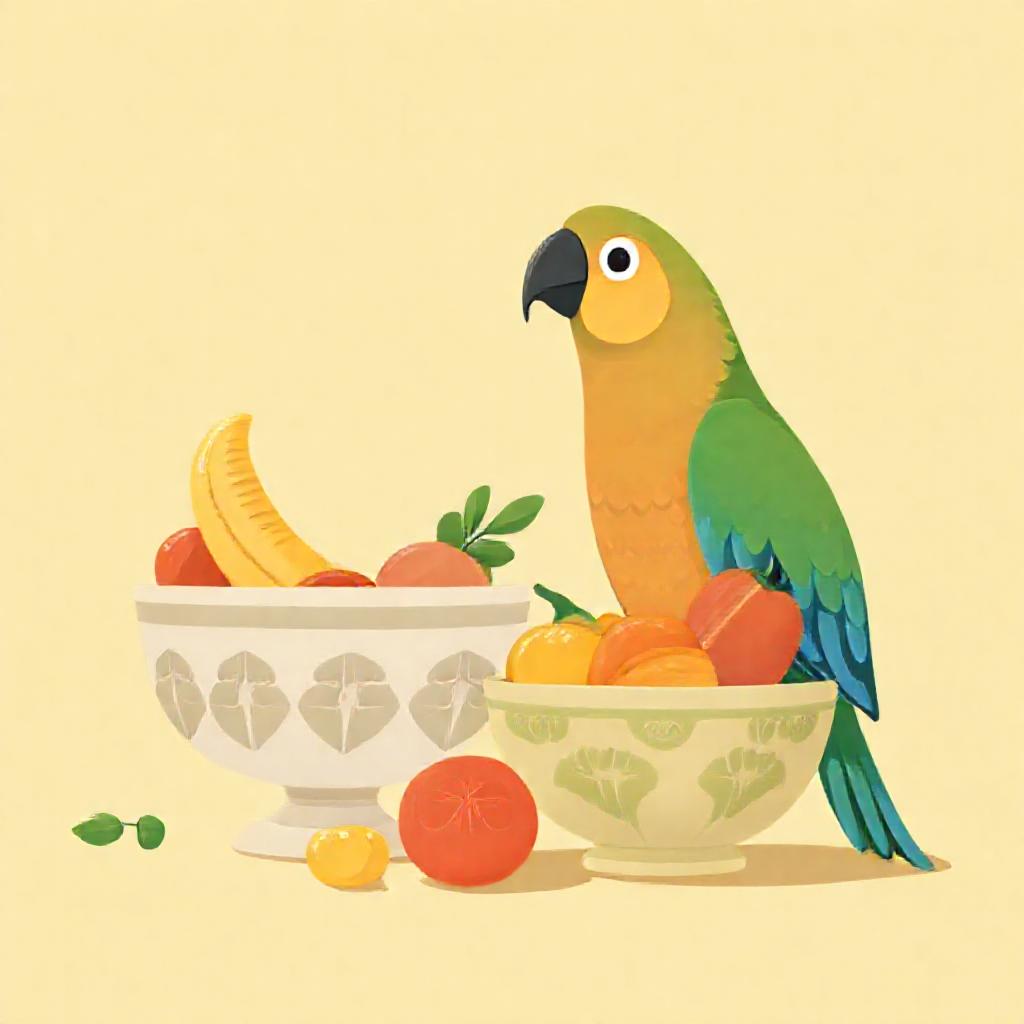
Pellets: the staple of a healthy parrot diet
The foundation of a good parrot diet is nutritionally complete pellets specially made for parrots, rather than a bag of pre-mixed seed. The RSPCA recommends a combination of these pellets along with a variety of fresh fruits and vegetables, and suggests that roughly three-quarters of a parrot’s food should be pellets, which supply the vitamins and nutrients a bird needs.
Veterinary guidance (VCA Animal Hospitals) agrees. On a species-by-species basis, VCA recommends that seed-eating birds be slowly weaned off seeds onto a pelleted diet, noting that pellets have been developed to meet most of a bird’s nutritional needs - and, for budgies specifically, that pellets should represent approximately 60-80% of the diet. Commercial seed mixes, by contrast, tend to be high in fat and carbohydrates and low in protein and essential vitamins, and birds often pick out only their favourite seeds, which can be nutritionally deficient.
If you’re switching your parrot onto a complete pellet diet, a good place to start is a nutritionally balanced maintenance pellet such as the one below.

Fresh vegetables and fruit
Alongside pellets, birds do best with daily fresh produce. The RSPCA recommends about one-quarter of the diet as washed fruits and vegetables, such as carrots, broccoli, peas, de-seeded apples, grapes, pomegranates, blueberries and sprouts.
VCA advises feeding a variety of vegetables with a small offering of tropical fruit every day, on top of the pellet base, and notes that fresh produce should make up no more than 20-40% of the diet. Brightly coloured vegetables and fruits
- including bell peppers, broccoli, carrots, sweet potatoes, squash, mango, papaya and cantaloupe - contain a great deal of vitamin A, a critical nutrient for birds. Wash all produce thoroughly before feeding, offer a variety each day, and cut pieces to a size your bird can manage. If a bird rejects a new food, VCA suggests offering the same fruit or vegetable every day for three to five days before giving up.
Seeds and treats: keep them limited
The RSPCA warns that seed mixes are bad for parrots as a staple - they are high in fat, energy and omega-6 fatty acids, and low in calcium, vitamins A, D, K and E and other nutrients. Purely seed-based diets can lead to obesity, fatty liver syndrome, and vitamin A and calcium deficiency. Instead, the RSPCA advises giving seeds and nuts only in very small amounts occasionally, perhaps as a treat or training reward.
One important exception: small parrot species such as budgerigars, parrotlets, lovebirds and cockatiels do need some seeds each day - though the RSPCA says these should make up no more than a tenth of the diet - alongside free access to pellets, fresh vegetables and fruit. If your bird is switching from a seed-based diet, this can be done gradually, over several weeks or even months.
Foods that are toxic to parrots
- Avocado is highly poisonous to parrots. The RSPCA states plainly that you must not give your parrot avocado. VCA likewise advises avoiding avocados because parts of the fruit have been shown to cause fatal toxicity in pet birds.
- Onions and garlic contain chemicals that may be harmful to a bird’s blood cells, so VCA advises avoiding these too.
- Iceberg or head lettuce is not recommended (mostly water, little nutrition), and celery should be fed sparingly for the same reason.
If you’re ever unsure whether a food is safe, check with your avian (bird specialist) vet before offering it.
Water and everyday feeding habits
Fresh, clean water should be available and changed every day, and food and water dishes cleaned daily. Veterinarians also recommend monitoring how much your bird eats each day - a sudden drop in appetite can be an early sign of illness.
Talk to your avian vet
Nutrition needs vary by species, and conditions that need a specialised diet (such as some small non-parrot species and nectar-feeding lories and lorikeets) are best planned with professional help. Before making meaningful changes to your bird’s diet - especially if it’s been on a seed-based diet - talk to your avian vet to make sure your parrot is healthy first.
Sources
- RSPCA - “Birds diet: the right food for your bird”: https://www.rspca.org.uk/adviceandwelfare/pets/birds/diet
- VCA Animal Hospitals - “Fruits and Vegetables in Birds’ Diets” (veterinarian-reviewed): https://vcahospitals.com/know-your-pet/fruits-and-vegetables-in-bird-diets
- VCA Animal Hospitals - “Budgies - Feeding” (veterinarian-reviewed): https://vcahospitals.com/know-your-pet/budgies-feeding
This article is for general information and is not a substitute for professional veterinary advice. If your pet is unwell, contact your vet.