Rabbits
Rabbit Housing & Enrichment: A Happy Home
Heads up: some links below are affiliate links. If you buy through them it costs you nothing extra and helps keep these guides free. We only link to things we would suggest to a friend. Read ourfull disclosure.
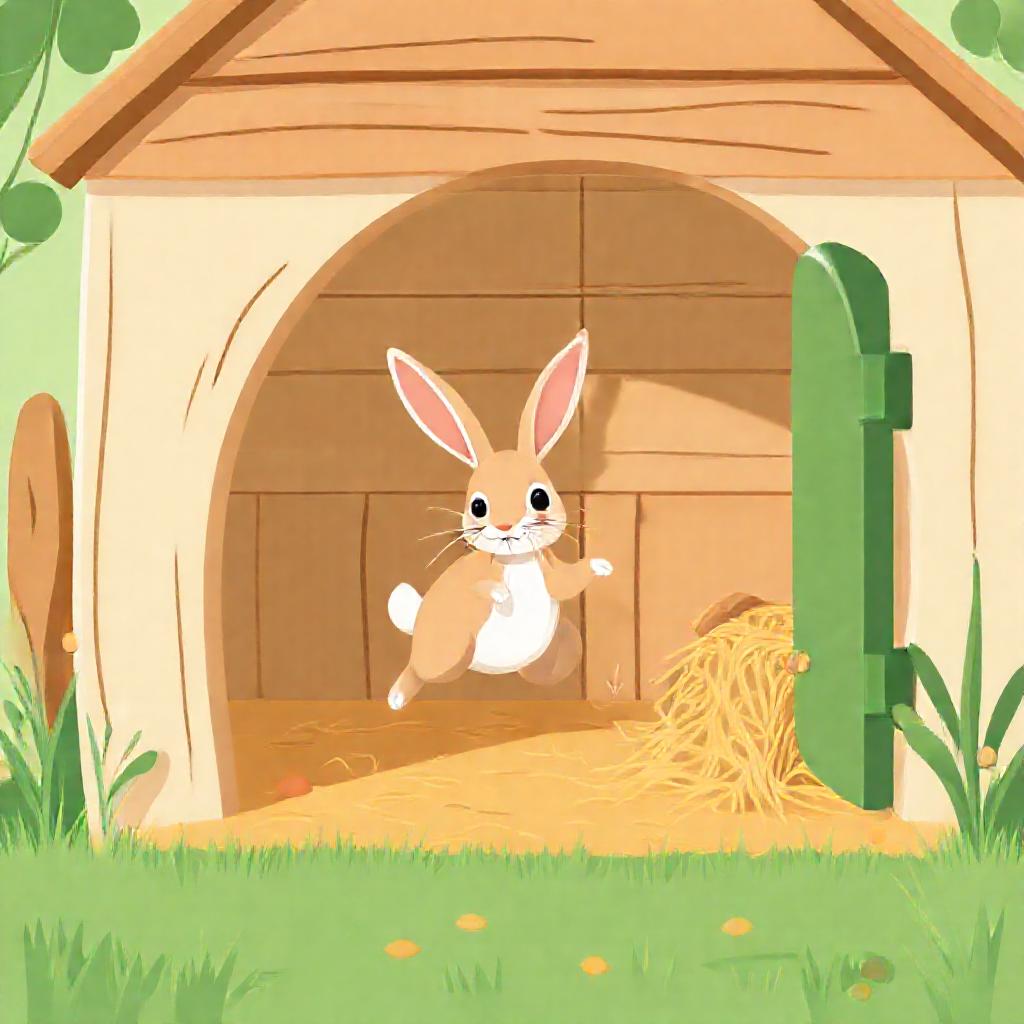
Rabbits are active, sociable and curious animals, and their home has a huge influence on how happy and healthy they are. A small hutch with nothing to do isn’t just dull - the PDSA warns that bored rabbits can become stressed, over-eat and groom themselves too much, all of which puts their health at risk. Getting the basics of space, hiding places, toys and company right is the single best thing you can do for a pet rabbit.
Indoor or outdoor?
Most rabbits can live happily indoors or outdoors, as long as they have enough space and the area is safe. Blue Cross notes that either way, the essentials are the same: plenty of room, a sheltered area, and freedom from danger.
If your rabbits live inside, you’ll need to “bunny-proof” your home. Rabbits investigate the world with their teeth, so PDSA advises protecting or covering any cables and wires, keeping house plants out of reach in case they’re poisonous, and storing cleaners and medicines away. Choose non-slip flooring so they don’t injure themselves while dashing about.
Even indoor rabbits benefit from regular access to a secure outdoor space, says PDSA, so they get daylight, sunshine and fresh air. A secure run in the garden, kept in shade and protected from wind, is ideal.
How much space do rabbits need?
Rabbits need to be able to hop, run, jump, dig and stretch out fully. All three organisations use the same minimum for a pair of rabbits:
- RSPCA: for two medium-sized rabbits, a living space no smaller than 3m x 2m, and 1m high, including the main shelter and exercise area.
- PDSA: 10ft x 6ft x 3ft (3m x 2m x 1m) is the absolute minimum for a pair - and recommends providing much more than this.
- Blue Cross: two rabbits should have a minimum of 3m by 2m, at least 1m high, plus a sheltered hutch area of at least 6ft x 2ft x 2ft.
These are minimums, not goals. The space also needs to be tall enough for your rabbit to stand up on its back legs without its ears touching the roof.
Outdoors, Blue Cross recommends a run of at least 3m x 2m x 1m, accessible at all times, that is predator-proof (16 gauge or thicker wire) and escape-proof because rabbits love to dig. Rabbits are crepuscular, most active at dawn and dusk, hence the need for constant access to space rather than just during the day.
Give them a place to hide
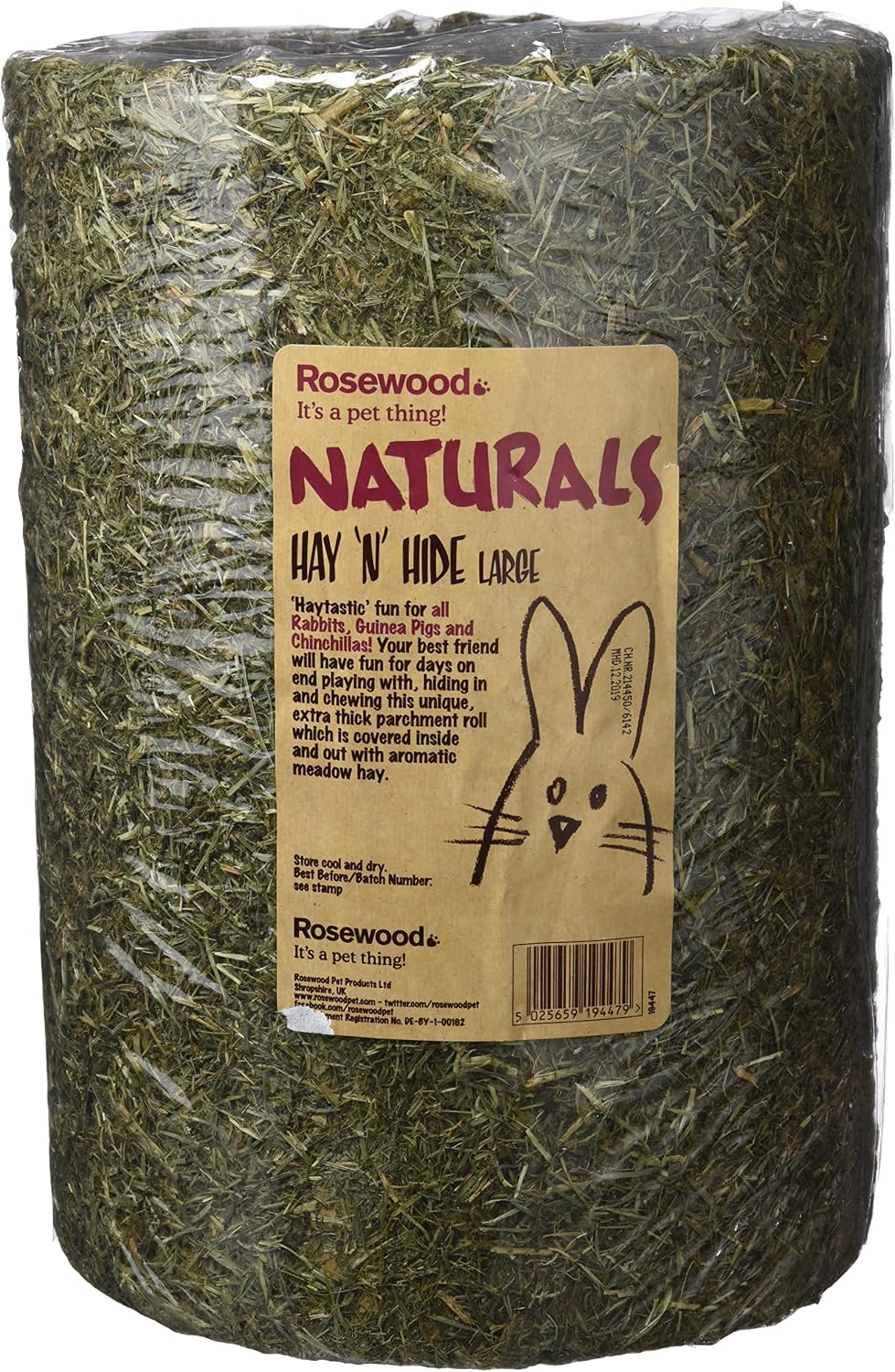
Rabbits are prey animals and need somewhere secure to get away from the sight and smell of predators such as foxes, cats and dogs. RSPCA recommends constant access to safe hiding places in both the shelter and the exercise area - cardboard boxes and tunnels are ideal, ideally with more than one opening. They suggest as many hiding places as you have rabbits, plus one extra if you can, and varying the sizes so bunnies can hide together or apart.
Keep eating, resting and toileting as separate areas - RSPCA suggests this, and Blue Cross specifies a shelter with at least two rooms so food and water are separate from the sleeping area. Blue Cross says a hutch-style shelter should have at least two rooms, solid floors (not wire, which hurts rabbits’ feet), a waterproof roof, and be raised off the ground and kept in shade.
Toys and enrichment
Rabbits get bored easily, and boredom leads to stress and unwanted behaviour. PDSA and RSPCA both recommend giving them ways to practise their natural behaviours:
- Digging: a planter filled with potting compost, a sand pit, or a large litter tray full of soil. RSPCA says digging is natural for rabbits and not being able to dig causes stress.
- Chewing: untreated wooden logs and safe branches (apple, willow, birch) help keep teeth the right shape and avoid dental problems.
- Foraging: scatter food or hide it, mix pellets into their hay, or stuff a cardboard tube with hay so they have to work for it.
- Climbing and exploring: platforms, perches and “lookout spots” on different levels.
- Changing it up: PDSA suggests swapping toys after a week or two so rabbits don’t get bored of the same ones.
Rabbits need company
Rabbits are social animals. The RSPCA advises keeping your rabbit with at least one other friendly rabbit, unless your vet or a qualified behaviourist advises otherwise; a neutered male and neutered female is the recommended pairing. PDSA is similarly firm: rabbits kept on their own get lonely and stressed, and human company is not a replacement for a rabbit friend. Given how much of a rabbit’s wellbeing depends on its environment, getting the home right really matters - and a compatible companion is the most important “enrichment” of all.
Sources
- PDSA - “Creating the ideal home for your rabbits”: https://www.pdsa.org.uk/pet-help-and-advice/looking-after-your-pet/rabbits/creating-the-ideal-home-for-your-rabbits
- PDSA - “Keeping indoor rabbits”: https://www.pdsa.org.uk/pet-help-and-advice/looking-after-your-pet/rabbits/keeping-indoor-rabbits
- PDSA - “Preventing boredom in rabbits”: https://www.pdsa.org.uk/pet-help-and-advice/looking-after-your-pet/rabbits/preventing-boredom-in-rabbits
- PDSA - “Giving your rabbits the company they need”: https://www.pdsa.org.uk/pet-help-and-advice/looking-after-your-pet/rabbits/giving-your-rabbit-the-company-it-needs
- RSPCA - “Creating a Good Home for Rabbits”: https://www.rspca.org.uk/adviceandwelfare/pets/rabbits/environment
- RSPCA - “Rabbit behaviour”: https://www.rspca.org.uk/adviceandwelfare/pets/rabbits/behaviour
- RSPCA - “Rabbits and company”: https://www.rspca.org.uk/adviceandwelfare/pets/rabbits/company
- Blue Cross - “Housing for rabbits”: https://www.bluecross.org.uk/advice/rabbit/wellbeing-and-care/housing-for-rabbits
This article is for general information and is not a substitute for professional veterinary advice. If your pet is unwell, contact your vet.