Reptiles
Reptile Care for Beginners: Heating, Lighting & Humidity
Heads up: some links below are affiliate links. If you buy through them it costs you nothing extra and helps keep these guides free. We only link to things we would suggest to a friend. Read ourfull disclosure.
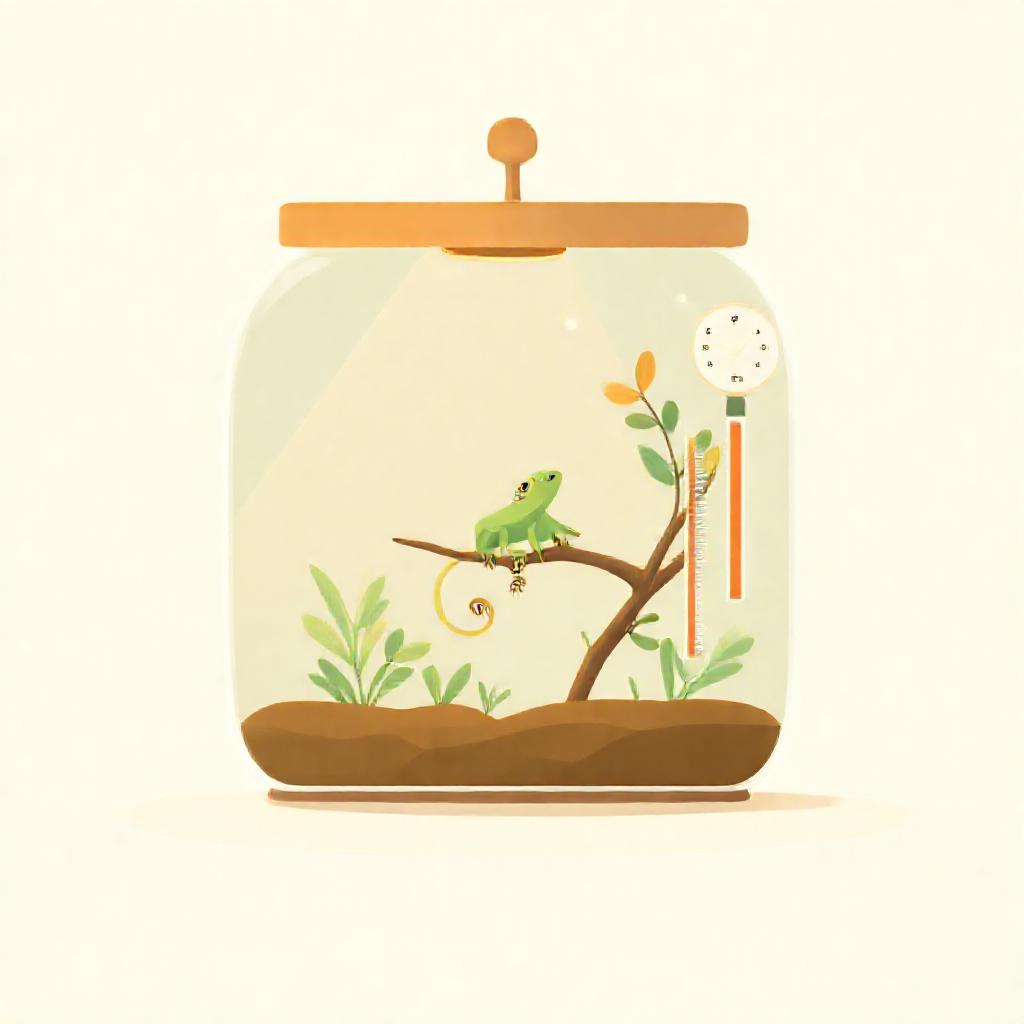
Start with the enclosure, not the reptile
The single most common beginner mistake is buying the animal first and figuring out the setup afterwards. Reptile welfare organisations recommend the opposite order - get the enclosure ready and running well before the reptile ever comes home.
The RSPCA advises setting up the environment at least a week before you collect your reptile, running everything so you’re comfortable with how it works and can iron out any problems. It also recommends that temperatures in the vivarium are constantly maintained for at least three days before the reptile is brought home. A brand-new enclosure that’s still being tweaked is a stressful, risky place for a small animal to land.
They also suggest registering with an exotics specialist vet before you take the reptile home, so you have quick access to treatment if it’s needed - a step many first-time owners skip until something goes wrong.
Heating: reptiles can’t warm themselves up
The single most important thing to understand is that, unlike birds and mammals, reptiles can’t produce their own internal body heat. The RSPCA explains that they rely on external heat sources and regulate their temperature by behaving - basking on warm surfaces and moving to cooler spots. Put simply, the cooler a reptile is, the less active it becomes.
This is why your job is to provide a temperature gradient: a warm basking area at one end of the enclosure and a cooler area at the other, so the reptile can move between them to control its own temperature. Keeping every part of the enclosure the same temperature, or relying on a cold room, is how reptiles end up too cold to feed or digest properly.
Because providing heat safely matters so much, a reliable thermostat is one of the most worthwhile pieces of beginner equipment. It constantly switches or dims the heat source to hold a set temperature, which stops the enclosure from overheating and saves you from guessing with a manual setting.

Habistat is a well-known UK reptile brand, and its dimming thermostat is designed to run reptile heat lamps and ceramic heaters smoothly - dimming rather than clicking on and off helps bulbs last longer. Whichever thermostat you choose, always check the temperature at both ends of the enclosure daily.
Lighting and humidity: follow the species, not the shop
Precise lighting (including UV light) and humidity needs vary a lot by species, and the RSPCA’s care pages for bearded dragons, leopard geckos, corn snakes and other reptiles spell out those differences rather than one size fitting all.
- Do your research on the exact species before buying, from a welfare source. What suits a desert-dwelling bearded dragon is different again from what a corn snake needs.
- UV and daylight matter for many lizards, and the type and length of lighting you need depends on the species.
- Humidity also differs - some reptiles need a moist environment, others fairly dry. Get the right figure for your species and monitor it.
If a shop or seller can’t tell you the specific heating, lighting and humidity requirements for the species they’re selling, treat that as a warning sign.
Choosing a healthy reptile
A genuinely healthy-looking reptile is only part of the picture. What matters as much is that the seller can tell you exactly what the animal has been fed, kept and treated, and how it’s been handled:
- The reptile should look alert and reasonably active for its species.
- Get the home ready well in advance: the RSPCA recommends you set up and run the enclosure at least a week before the reptile arrives.
- The RSPCA’s rehoming service is another route to finding a reptile, and the rescue centre can tell you about the animal’s quarantine and health history.
Gentle first steps at home
When the reptile does arrive, the RSPCA’s guidance for settling in is deliberately hands-off: place the animal in the enclosure, secure it, and leave it alone until the next day. It recommends not handling unnecessarily for the first week - especially snakes - so the animal can get used to its new surroundings. It also notes that a quarantine period may apply when moving a reptile between homes, to avoid spreading disease to any other reptiles you keep.
Bottom line
Reptiles make fascinating pets, but they’re not maintenance-free. Getting the enclosure running properly before the animal arrives, understanding that reptiles rely on you for heat, and researching your exact species are three steps that prevent most of the common beginner problems.
Sources
- RSPCA - “Taking your reptile home”: https://www.rspca.org.uk/documents/1494939/7712578/Taking+your+reptile+home+(PDF+241KB).pdf/dce0cda1-729d-5ac7-452d-60db16fd33b8
- RSPCA - “Living with reptiles” (2022): https://www.rspca.org.uk/documents/1494939/7712578/Living+with+reptiles+-+2022+update.pdf
- RSPCA - “Caring for Reptiles and other Exotic Pets”: https://www.rspca.org.uk/adviceandwelfare/pets/other
- RSPCA - “How to care for your bearded dragon”: https://www.rspca.org.uk/adviceandwelfare/pets/other/beardeddragon
- RSPCA - “How to care for a leopard gecko”: https://www.rspca.org.uk/adviceandwelfare/pets/other/leopardgecko
- RSPCA - “How to care for a corn snake”: https://www.rspca.org.uk/adviceandwelfare/pets/other/cornsnake
This article is for general information and is not a substitute for professional veterinary advice. If your pet is unwell, contact your vet.