
dogs
Seasonal Allergies in Dogs: Itchy Skin, Ears and Paws, and What Actually Helps
Itchy skin, red ears and paw-licking flare up in dogs each spring and summer. Learn the common triggers, how a vet diagnoses them, and what genuinely helps.

When the warm weather brings the scratching
As spring gives way to summer, lots of dog owners notice their dog scratching, nibbling and licking more than usual - and no, you’re not imagining it. Allergies really do tend to flare up at this time of year.
The veterinary charity PDSA describes a skin allergy as an oversensitivity (a strong reaction) to things such as pollen, grass, house dust mites and certain foods, and says skin allergies are one of the most common causes of itchy skin in dogs. If your dog is sensitive to something they come into regular contact with, symptoms often ramp up as the pollen count rises.
The good news is that, with the right plan, most allergic dogs go on to live long, happy lives.
Common signs of a seasonal skin allergy
PDSA lists the typical symptoms of allergic skin disease as:
- Itchy skin.
- Rashes and redness, sometimes with a sore, inflamed look to the skin.
- Hair loss (alopecia) in areas your dog has been scratching or chewing.
- Repeat skin and ear infections.
- Overgrooming and saliva-stained skin.
- Dark, thickened skin, weepy eyes, and the moist hotspots known as acute moist dermatitis.
These symptoms aren’t unique to allergies - lots of other skin conditions look similar - which is why the next step matters.
What tends to trigger it in spring and summer
PDSA says a dog with allergic skin disease is sensitive to one or more things they come into contact with regularly, and that most allergic dogs are allergic to more than one thing. The common culprits it lists are:
- Pollens, grass, trees and moulds - the big seasonal suspects that ramp up in spring and summer.
- House dust mites - an indoor trigger that’s around all year.
- Fleas - PDSA notes some dogs have an allergy to flea bites and suffer severe irritation every time they’re bitten.
- Food - a possible trigger for some dogs, though not seasonal in itself.
Because the cause is often more than one thing, pinning it down takes some detective work.
Why a vet has to make the diagnosis
It’s tempting to try to work things out at home, but PDSA is clear that finding out exactly what your dog is allergic to can be tricky, especially because it’s likely to be more than one trigger.
There’s another reason the vet’s visit matters: skin problems that look like allergies can have other causes. To start with, your vet will usually want to rule out things that are easier to control, such as fleabite allergy and food allergies. That might mean prescribing a parasite treatment, and possibly suggesting a food trial or elimination diet, which PDSA says usually needs to happen over a six-to-twelve-week period.
There are blood and skin allergy tests available, but it’s worth knowing that PDSA warns this type of testing isn’t 100% reliable. The reassuring part is that it often isn’t necessary to know the exact triggers anyway, because most skin allergies are treated in a similar way.
What actually helps (and what doesn’t)
Every allergic dog is a little different, and PDSA stresses there’s no one size fits all treatment plan. However, your vet may suggest some or all of the following to reduce flare-ups:
- Regular flea control - treat your dog, other pets and your home for fleas regularly, as your vet recommends. PDSA says prevention is as simple as using a licensed veterinary flea product regularly. (Note that some dog flea treatments are highly toxic to cats, so always ask your vet first.)
- A little thought around walks - PDSA suggests avoiding walking your dog in long grass, or rinsing them off well afterwards - a simple way to help reduce flare-ups after a walk.
- A calmer home environment - avoid sprays, aerosols, perfumes and air fresheners, and vacuum and dust regularly to keep dust mites down.
- Bathing and supplements - PDSA notes most allergic dogs benefit from a skin supplement containing essential fatty acids like omega 3 and 6, and a shampoo that protects and soothes the skin. Crucially, it says to speak to your vet team about the best shampoo for your dog - these products are usually helpful alongside other treatment, but unlikely to control the problem on their own.
- Medication - anti-itch medication can come as tablets or injections, and your vet will advise which is best based on your dog’s symptoms, how long they need treatment, and your budget. Only give medication your vet has prescribed.
Some dogs can also be offered immunotherapy (desensitisation), where tiny amounts of the allergen are injected so the body adapts. PDSA is honest that it works slowly, often needs to continue for years (sometimes for life), and doesn’t work for every dog.
What you won’t find here is a promise of a quick home “cure” - because there isn’t one. As PDSA notes, even with the right treatment dogs can have flare-ups from time to time - but with vet-guided treatment it’s likely your dog will live a long, happy life, and skin allergies are usually managed long-term. And shelf-bought products often disappoint - PDSA says over-the-counter flea products from supermarkets and pet shops often contain less effective ingredients.
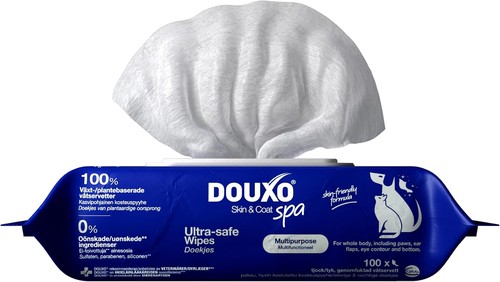
PDSA’s advice is straightforward: contact your vet if you think your dog might have a skin allergy. Skin problems often get worse over time, and left untreated they can seriously affect your dog’s quality of life. If their skin is getting worse, or their medication doesn’t seem to be working, tell your vet. Early treatment is the best thing you can do for an itchy, uncomfortable dog.
Sources
- PDSA - “Skin allergies in dogs”: https://www.pdsa.org.uk/pet-help-and-advice/pet-health-hub/conditions/skin-allergies-atopic-dermatitis-in-dogs
- PDSA - “Fleas on dogs”: https://www.pdsa.org.uk/pet-help-and-advice/pet-health-hub/conditions/fleas-on-dogs
- Blue Cross - “Skin problems in dogs” (page was unreachable via our tools at the time of writing, so not relied on here): https://www.bluecross.org.uk/advice/dog/health-and-welfare/skin-problems-in-dogs
This article is for general information and is not a substitute for professional veterinary advice. If your pet is unwell, please contact your vet.