
birds
Caring for an Older Pet Bird: Signs of Aging and Gentle Support
A warm, practical UK guide for a senior budgie, cockatiel or canary: signs of aging, easy food and water access, warmth, diet and when to see an avian vet.
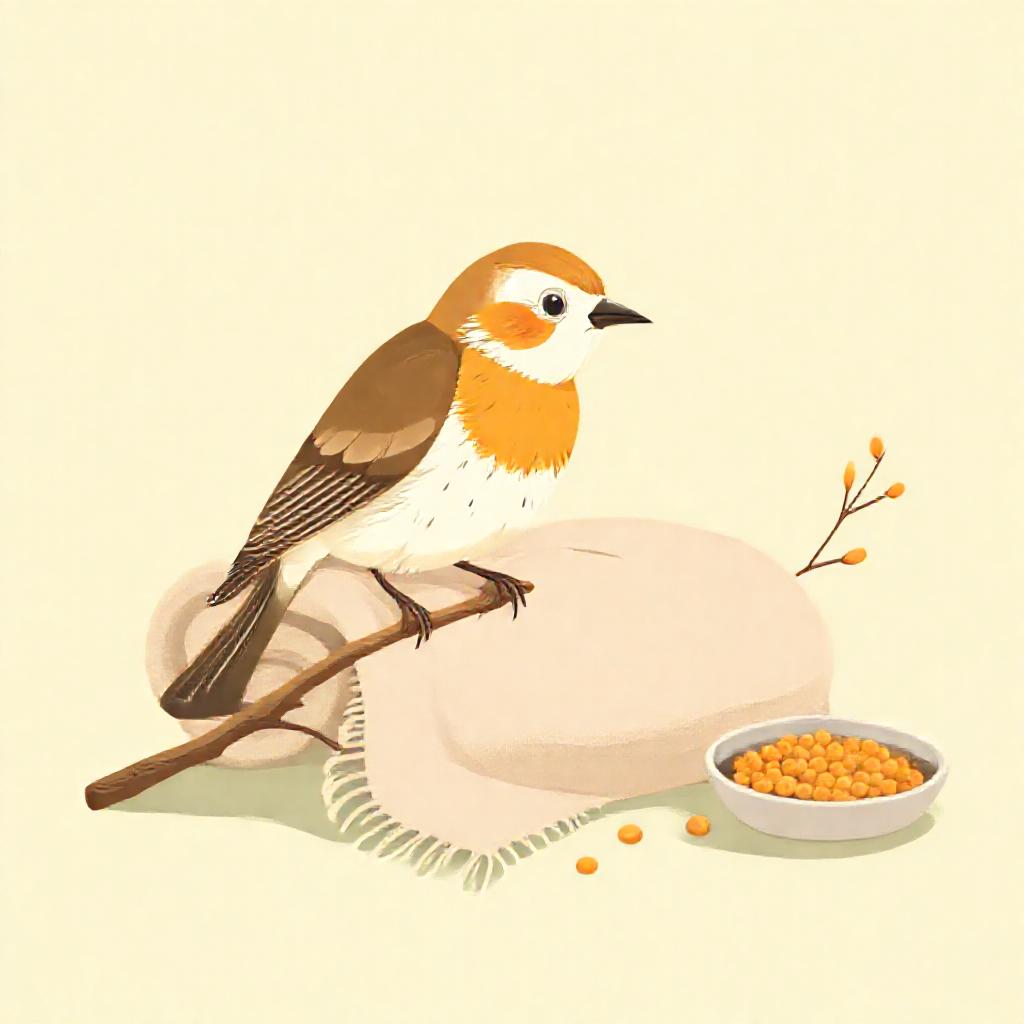
A long-lived friend deserves a little extra care
If you share your home with a budgie, cockatiel, canary or another pet bird, you’re part of a long-term commitment. The RSPCA notes that birds can be intelligent, busy animals, and some parrots can live for well over 50 years - so caring for a bird properly is a big commitment that asks you to keep adapting as your pet grows older. As an old friend slows down, the care you give naturally needs to change with them: a little gentler, a little more planned around what their body can now manage.
This guide pulls together the practical, day-to-day things that matter most for an older feathered friend, based on the RSPCA’s care guidance.
Gentle signs it may be time to lend more support
Older birds often change gradually, and the changes can be easy to miss at first. There’s a widely repeated piece of advice among bird owners that birds can be very good at hiding early signs of being unwell - we want to be honest here that we couldn’t independently verify that claim from the UK vet and welfare sources we were able to check for this piece, so treat it as a reason to look closely rather than as fact. What those sources do say is clear: anything out of the ordinary is worth noticing and worth mentioning.
The RSPCA’s diet guidance is the most useful place to start, because it gives you simple, regular checks that can reveal a problem early. It recommends weighing your bird accurately, to the gram, and keeping a record - because losing or gaining weight can both be a signal to speak to your avian vet. It also suggests checking your bird’s droppings each day, since a change in colour, thickness, frequency or amount can be a sign they may be sick. Over the weeks, you’ll get used to what’s normal for your bird, and that familiarity is the best early-warning system you have.
Making food and water easy to reach
If your older bird is less agile or a little stiff, everyday effort can start to feel like more of a challenge. The general environment advice from the RSPCA is a useful guide to keeping your bird’s home kind and accessible: make sure your bird’s cage isn’t too cluttered, so it has space to stretch and flap its wings whenever it wants to, and give it places where it can safely go about its natural behaviours - perching, climbing, feeding and roosting. Positioning matters too: the RSPCA advises not putting perches where droppings could fall into food or water containers.
One thing to be transparent about: the specific idea of adding an extra lower perch for older or less mobile birds is common and sensible, but we couldn’t verify it in the UK vet and welfare pages we could access for this article, so treat it as sensible owner practice rather than sourced instruction. For food, the RSPCA is more specific about changing a bird over to a healthier diet: to encourage a bird to take new food, it suggests offering it warm and soft - for example, pellets mashed in warm water - on a small spoon.
Good food for an older bird
What your bird eats matters more, not less, as it ages. The RSPCA’s guidance for parrots is that the best diet is a combination of nutritionally complete pellets together with a variety of fresh fruit and vegetables - roughly three-quarters pellets to one-quarter washed fruit and veg. Small parrot species such as budgies, parrotlets, lovebirds and cockatiels do still need some seeds each day, but these should make up no more than about a tenth of their diet, alongside free access to pellets and fresh produce. Canaries and finches are often fed seed-based diets, but the RSPCA notes they would also benefit from a good-quality pellet diet, plus fresh, washed greens.
The reason this matters so much is that purely seed-based diets can lead to health problems such as obesity, fatty liver syndrome, and vitamin A and calcium deficiency - and that’s exactly why a balanced diet stays important as your bird ages. Any loss or gain in weight is a reason to speak to your avian vet (see the vet section below). If your bird has been used to a poor, seed-based diet, the RSPCA advises changing it gradually over several weeks or even months, and checking with your avian vet before making changes - sudden swaps can be stressful.
One firm safety note from the RSPCA: avocado is highly poisonous to parrots, so never feed it.
Keeping the warmth in
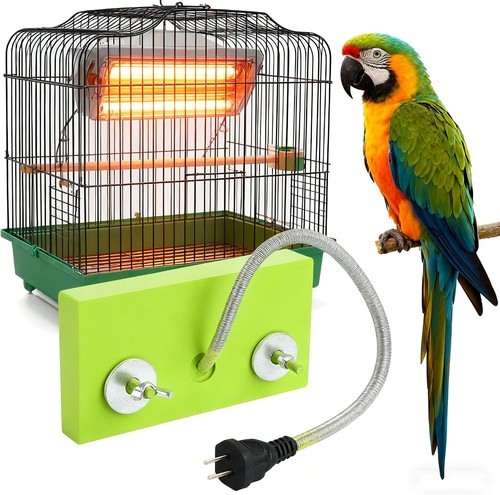
Older or frailer birds feel the cold more, and the RSPCA’s advice on warmth is straightforward. For birds normally found in tropical or subtropical habitats, their surroundings should be kept between about 12-26°C. If your bird lives in an aviary, the RSPCA advises an inside area that is draught-proof, insulated and safely heated, so all the birds can live there comfortably during harsh weather. Inside the home, keeping an older bird away from cold draughts and sudden temperature changes is a simple kindness. And if you ever need to travel to the vet in cold weather, the RSPCA advises keeping your bird very warm and in near darkness, warming the car before putting the bird inside.
Birds benefit from a vet who really knows them, so registering with an avian (bird specialist) vet is worth doing before problems start. The RSPCA points to an avian vet for all the big changes: if your bird loses or gains weight, if its droppings change, before you change its diet, and for any signs of illness, injury or grooming needs such as nail-trimming. It also notes that your bird needs to be able to cope with being handled and restrained, so that you or a vet can check its body condition and deal with any problems safely - many owners build this up gradually with gentle practice at home.
The overarching advice is reassuringly simple: the sooner you notice a change, the sooner your avian vet can help, and the gentler the support you can offer an old friend who has been with you for many happy years.
Sources
- RSPCA - “How to Care for your Pet Bird” (care hub, incl. diet, inhabitants, and avian vet guidance): https://www.rspca.org.uk/adviceandwelfare/pets/birds
- RSPCA - “Birds: Diet - the right food for your bird”: https://www.rspca.org.uk/adviceandwelfare/pets/birds/diet
- RSPCA - “Birds: Environment - giving your bird a good place to live”: https://www.rspca.org.uk/adviceandwelfare/pets/birds/environment
- RSPCA - “Birds: Training”: https://www.rspca.org.uk/adviceandwelfare/pets/birds/training
Note on sources: we could not verify a UK vet or animal-welfare source for the specific claims that birds hide signs of illness, or that older birds should be given extra lower perches. These are noted as hedged/owner-practice guidance in the article. PDSA’s bird pages and Blue Cross’s advice hub were also checked but were unreachable from our tools (PDSA’s bird section now sits behind a JavaScript filter, and Blue Cross does not publish pet-bird advice), so we have relied on the RSPCA’s pages above.
This article is for general information and is not a substitute for professional veterinary advice. If your pet is unwell, contact your vet.