
small pets
Small Pet Enrichment: Keeping Rabbits, Guinea Pigs & Hamsters Happy
A warm, practical UK guide to enriching your rabbit, guinea pig or hamster - space, company, foraging, digging, hiding places, wheels and boredom-busting toys.
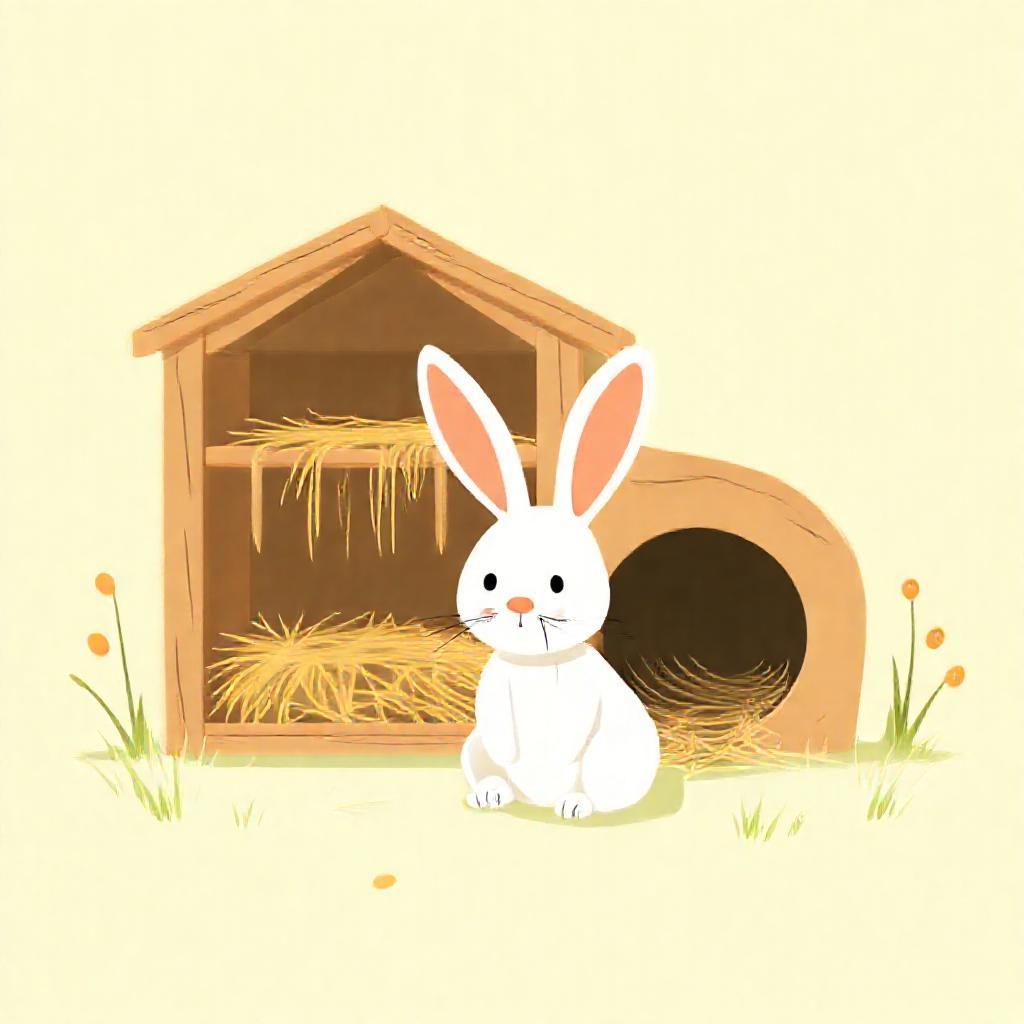
Rabbits, guinea pigs and hamsters are much more active, curious and intelligent than they might first appear. Left in a small cage with nothing to do, they don’t just get a bit bored - boredom can genuinely damage their health. The RSPCA says rabbits living in a barren, plain environment can become bored, frustrated and even depressed, while the PDSA notes that bored rabbits over-eat (gaining weight that strains their hearts, joints and liver) or groom so much they develop wool-blocking hairballs. The good news? A little enrichment goes a long way. Here’s how to make your small pet’s home a happier one.
Give them room to move
Space is the foundation of everything else. Rabbits need to be able to hop, run, jump and rear right up on their back legs, and both the RSPCA and PDSA stress that a large living area makes a huge difference to their health and happiness. Guinea pigs are equally active: the PDSA recommends a generous hutch with a big exercise area attached, and warns that without the right home guinea pigs can suffer from boredom and health problems.
RSPCA guidance stresses that what’s inside the enclosure matters just as much as the size. A big floor area and a high ceiling let your pets stretch out fully and stand tall - and give them the freedom to move away and hide when they choose.
Company makes a real difference
Rabbits and guinea pigs are both sociable animals, and company is arguably the very best “enrichment” of all. The PDSA says rabbits are “very sociable animals that should never be kept alone” and need at least one other rabbit to avoid getting bored and lonely. Guinea pigs are similarly built for company - the PDSA notes they live in small family groups in the wild and should be kept in groups of three or more, whether single-sex or a mixed (neutered) group.
A word of caution from the PDSA: rabbits and guinea pigs don’t make good companions for each other, so keep this company within each species.
Hamsters are the exception. Most hamster species are solitary and prefer to live alone - keeping them together can actually cause fighting, stress and injury, so house them separately.
Make mealtimes a game
Foraging is deeply natural for all three animals, and scattering or hiding food is one of the simplest, cheapest forms of enrichment. The PDSA suggests scattering your rabbit’s food around their space, or mixing pellets into their feeding hay so they have to search for it - which also encourages them out into the sunshine. The RSPCA recommends “puzzle feeders” such as an empty cardboard tube or toilet-roll core stuffed with hay.
The same idea works for hamsters, who “find food by working for it” in the wild: scatter pellets instead of using a bowl, bury food deep in their bedding so they can dig for it, and hide hay or greens inside paper bags and cardboard tubes.
Hiding, digging and burrowing
Prey animals need somewhere safe to retreat to. The RSPCA notes rabbits are a prey species and enjoy platforms and hiding places where they can scan their surroundings for threats, and the PDSA’s rabbit advice centres on giving them places to hide, dig and explore. Digging, in particular, is something rabbits were “born to do” - the PDSA suggests filling a planter with pet-safe potting compost so they can dig without wrecking your lawn.
Guinea pigs naturally burrow and need overhead cover - the PDSA recommends tunnels and a deep layer of soft, dust-free hay so they can hide and dig. Their exercise areas should be full of shelters, tunnels and hides so they can explore confidently and retreat when they want to.
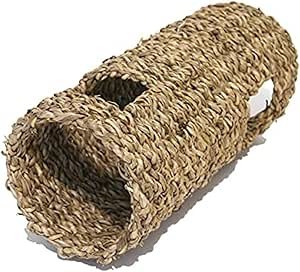
Chewing isn’t mischief - it’s essential. It keeps teeth at a healthy length and prevents boredom. Untreated wooden logs and safe branches give rabbits something to gnaw, while guinea pigs need plenty of hay (which also keeps their teeth trim). PDSA notes hamsters pine to chew: untreated softwood branches (washed and baked on a low heat first) and gnawing blocks do the job safely.
Hamsters: wheels and deep bedding
Hamsters have two enrichment extras worth getting right. First, an exercise wheel - the PDSA advises choosing one that’s as large and wide as possible, with a solid running surface rather than slats, because a too-small wheel forces hamsters to run with a curved spine that can cause long-term pain.
Second, deep bedding. Hamsters are burrowers, so they need a deep layer of bedding - ideally at least 25cm - to dig, sleep and store food in as they would in the wild. Choose paper-based, aspen, spruce or hemp bedding, and avoid dusty sawdust, “fluffy” cotton-wool style beddings, scented bedding and shredded newspaper, which can all be unsafe.
Keep things interesting - and gentle
Enrichment only works if it stays interesting. The PDSA suggests rotating your rabbit toys every week or two so your pet doesn’t tire of the same ones, and the RSPCA advises keeping a predictable routine and not filling a space so full your pet can’t move about. Watch how your pet reacts to any new item, and remove it if they seem stressed.
Finally, go gently with small pets, especially hamsters. They’re prey animals, so being picked up can be frightening - handle them gently and take care, as they may bite if they feel threatened.
Happily, most enrichment costs little more than a cardboard tube and a planterful of soil. Give your small pet the space, company and things to do they’d naturally enjoy, and you’ll have a healthier, happier companion.
Sources
- PDSA - “Preventing boredom in rabbits”: https://www.pdsa.org.uk/pet-help-and-advice/looking-after-your-pet/rabbits/preventing-boredom-in-rabbits
- RSPCA - “Enriching your rabbits” (Rabbit Enrichment Activities): https://www.rspca.org.uk/adviceandwelfare/pets/rabbits/behaviour/enrichment
- PDSA - “The ideal home for your guinea pigs”: https://www.pdsa.org.uk/pet-help-and-advice/looking-after-your-pet/small-pets/the-ideal-home-for-your-guinea-pig
- PDSA - “Guinea pigs as pets”: https://www.pdsa.org.uk/pet-help-and-advice/looking-after-your-pet/small-pets/guinea-pigs-as-pets
- PDSA - “Hamsters as pets”: https://www.pdsa.org.uk/pet-help-and-advice/looking-after-your-pet/small-pets/hamsters-as-pets
This article is for general information and is not a substitute for professional veterinary advice. If your pet is unwell, contact your vet.