
dogs
Ticks and Fleas in the UK: Finding Them, Removing Them Safely and Preventing Bites
A practical UK guide to checking your dog for ticks and fleas, removing ticks safely, on spotting the signs of an infestation and when to call your vet for prevention.
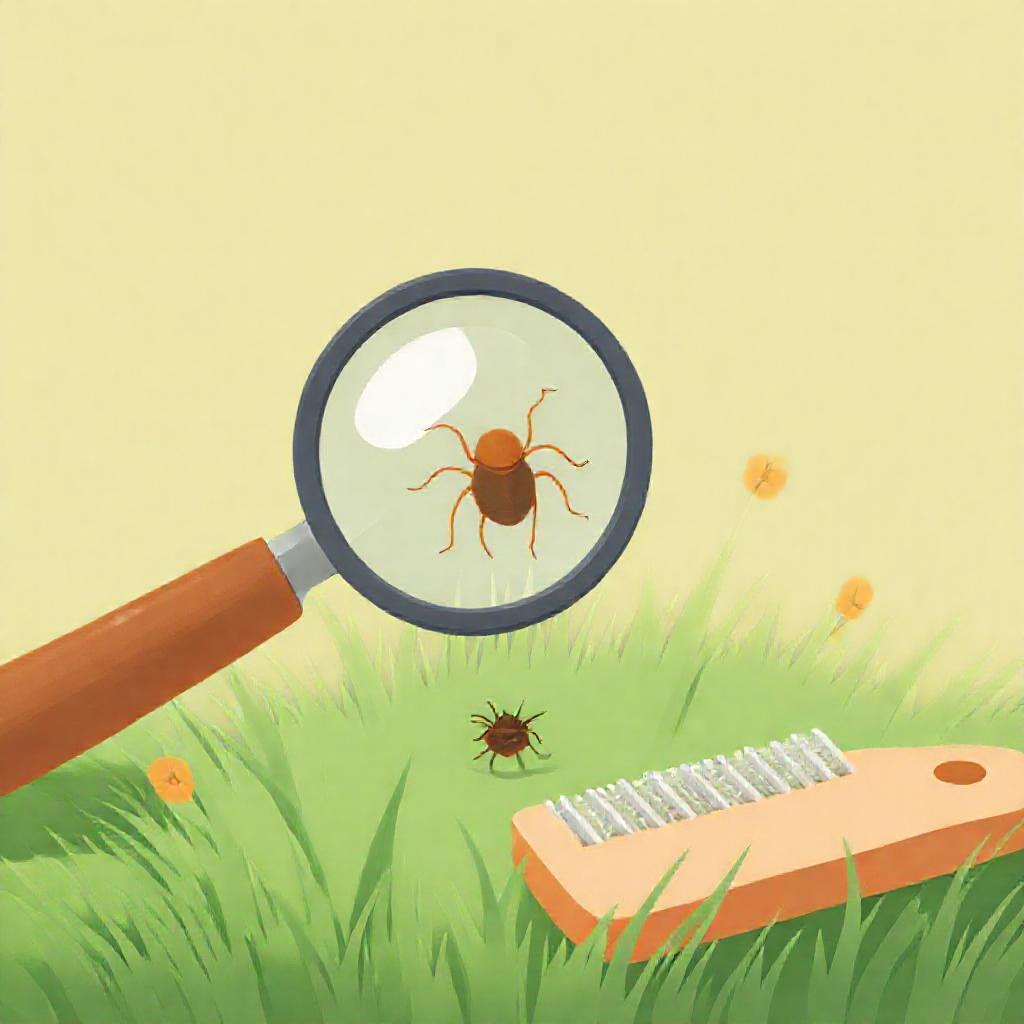
Ticks and fleas are the two most common external parasites that affect dogs in the UK
- and while they’re both small, they need very different handling. Ticks can carry serious diseases such as Lyme disease, while fleas can bite people as well as pets and cause intense itching. The good news is that both are largely preventable and, when you do spot them, manageable.
This guide explains how to check your dog after walks, how to remove a tick safely (and what not to do), the tell-tale signs of fleas, why vet-guided prevention matters, and when it’s time to call your vet. We are not a veterinary service - if you’re ever unsure, a quick call to your vet practice is always the safest step.
Ticks: what they are and where your dog picks them up
Ticks are parasites that feed on animal and human blood, and they can transmit diseases such as Lyme disease (Borreliosis), according to the veterinary charity PDSA. Unlike fleas, they don’t jump or fly - they crawl on to your dog and grab hold of its fur when it brushes past the grass or plants they’re resting on, a point confirmed by both PDSA and the RSPCA.
They are most common in the warmer months and tend to live in woodlands, moorlands, places with long grass, and areas with lots of wildlife and farm animals. The RSPCA notes that although ticks are active all year round, you’ll most often see them between spring and autumn, with a peak season roughly from March to October.
How to check your dog for ticks after walks
Because a tick the size of a pinhead is very easy to miss, checking your dog regularly is essential - especially after walks in long grass. PDSA explains that when a tick first attaches it’s about the size of a pinhead, growing to the size of a small pea as it feeds. They can look round, shiny, with a tiny head and a flattened body, coloured brown, pink, purple or bluish-grey - and you might initially mistake one for a skin tag or lump. Look closely and you’ll see it has eight legs just behind its head.
Run your hands through your dog’s coat, feeling for small bumps, and pay particular attention to the areas ticks favour. PDSA lists the head, ears, armpits, groin and tummy; the RSPCA adds beneath the collar, under the front legs, under the tail and between the toes. Checking regularly means you’re more likely to find a tick before it has properly attached and fed.
How to remove a tick safely
This is the most important part to get right. Never remove a tick by pulling, crushing or squeezing it. PDSA warns that doing so can break the tick apart and leave mouthparts (the head) behind in your dog’s skin. The RSPCA adds that squeezing the tick’s body - or leaving the head in - can push blood back into your pet and increase the chance of them picking up a disease. The safe method uses a tick-twisting tool, which you can buy at pet shops or get from your vet:
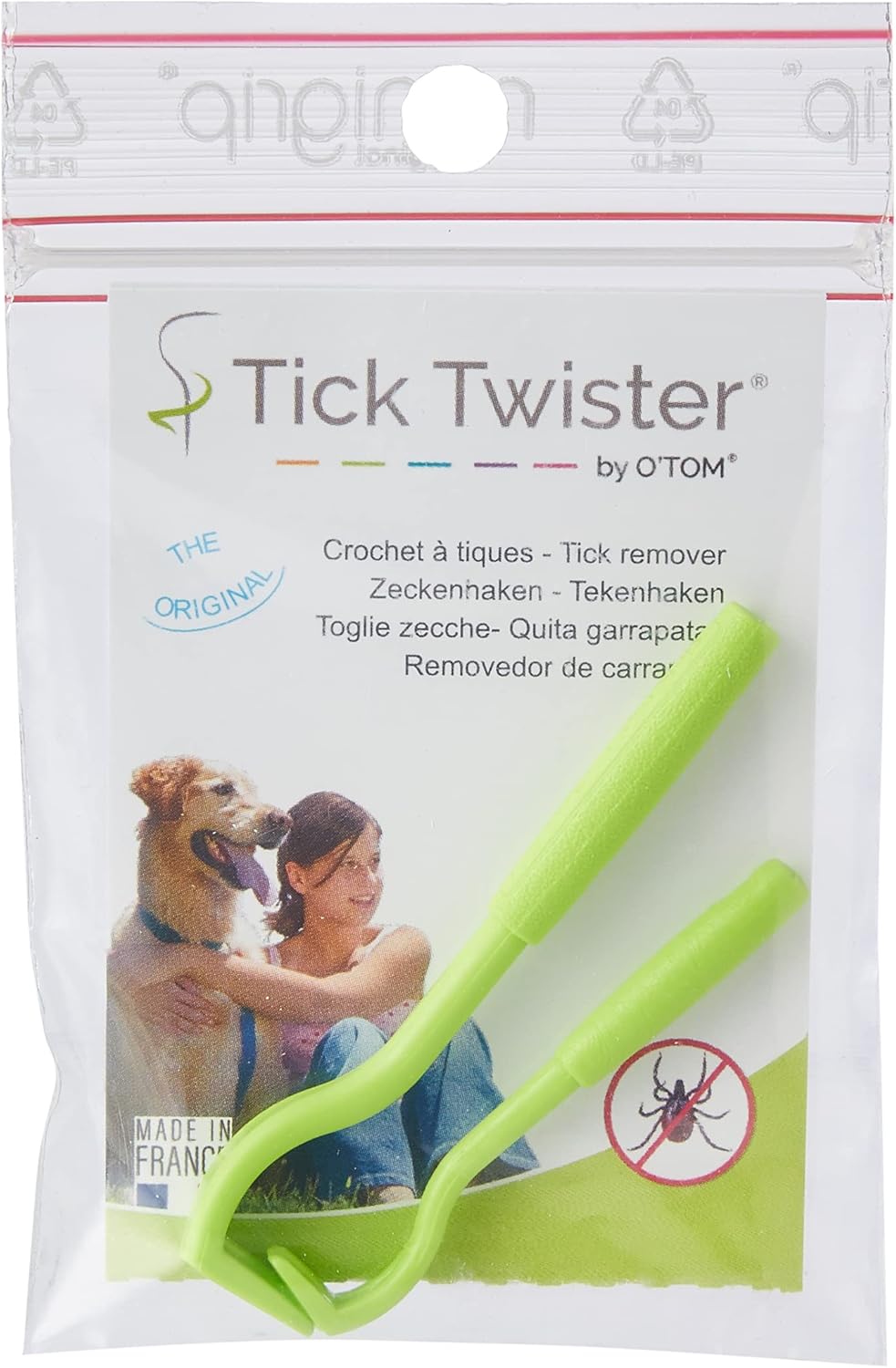
- Slide a tick remover under the tick, as close to your pet’s skin as possible. If it doesn’t fit neatly, use a different size.
- Twist the tool in one direction without pulling upwards, until you feel the tick loosen - it will let go once you’ve turned it enough.
- Slowly lift the tool away; the tick should release and stay in the hook.
- Clean the area with warm salty water and monitor it for any signs of redness, heat, swelling, lethargy or reduced appetite.
If you don’t have a tick remover, you can use ordinary tweezers as a last resort, being very careful to hold the tick gently and as close to the skin as possible. Never try to burn a tick off or suffocate it with lotion - the RSPCA says this won’t prevent your dog from picking up a disease. If you’re unsure how to remove a tick, speak to your vet first; they can show you the best technique.
Spotting the signs of fleas
Fleas are tiny insects that can also live on cats, rabbits and in your home, and they can bite humans. According to PDSA, if your dog has fleas you may notice:
- Scratching more than usual.
- Flea dirt - small dark specks, often on the lower back.
- Bites or a rash.
- Bald patches (alopecia) or rough, spikey fur.
- Wounds and infected skin.
- Turning or jumping quickly to nibble at the back end.
The RSPCA suggests a simple way to confirm fleas at home: groom your dog with a fine-toothed comb held over something white, like kitchen paper. Any fleas or droppings will land on it - and if you add a few drops of water and the specks turn reddish-brown, it’s very likely your dog has fleas.
Why prevention matters (and should be vet-guided)
Preventing ticks and fleas is far easier than treating an infestation. PDSA says there’s no way to completely stop a dog getting ticks, but you can reduce the risk by avoiding long grass in warm months, sticking to paths and open spaces, checking your dog regularly, and using regular parasite control.
For fleas, the position is clearer: prevention is easy - just use a licensed veterinary flea product regularly, as PDSA puts it. This is where your vet comes in. PDSA stresses that prescription flea treatments are only available if prescribed by a vet and will need to know your dog’s weight to get the dose right. Some treatments are available without a prescription (categorised as NFA-VPS and dispensed by a vet, pharmacist or suitably qualified person), but products you pick straight off a supermarket shelf tend to contain less effective ingredients. Whichever route you take, the RSPCA recommends seeing your vet for advice on the best product for your dog.
One important warning: some flea treatments made for dogs are highly toxic to cats, so never share a product between species. We won’t recommend specific brands here - the right choice depends on your dog’s weight, lifestyle and health, which is exactly why treatment should be vet-guided.
When to see your vet
There’s usually no need to contact your vet if you’ve successfully removed a tick and you’re confident none was left behind. However, PDSA advises contacting your vet if:
- You’re concerned part of the tick is still in your dog - look for a small black spot, redness or swelling where it was attached.
- You notice redness, swelling or signs of infection around the bite.
- Your dog seems unwell after having a tick.
The RSPCA adds that Lyme disease can be treated with antibiotics if caught early. Its listed symptoms in dogs include depression, loss of appetite, fever, lameness, swollen and painful joints, swollen lymph nodes and lethargy. Some UK ticks carry and transmit Lyme disease, so if your dog becomes unwell after a tick, speaking to your vet is the right course of action.
The bottom line
Check your dog regularly, especially after walks in long grass; remove ticks by twisting with a proper tool, never by squeezing or pulling; keep an eye out for scratching and flea dirt; and rely on your vet to choose a safe, effective prevention. If you’re ever in doubt about a tick, a flea problem, or your dog’s health afterwards, a quick call to your vet practice is always the safest move.
This article is for general information only and is not a substitute for professional veterinary advice. Always contact your vet if you have concerns about your dog’s health.
Sources: PDSA - Ticks on dogs, How to remove a tick from a dog or cat, Fleas on dogs; RSPCA - Ticks on dogs and cats, Fleas on dogs and cats. All claims are attributed to these sources; where the evidence is limited, we say so plainly rather than overclaiming.